


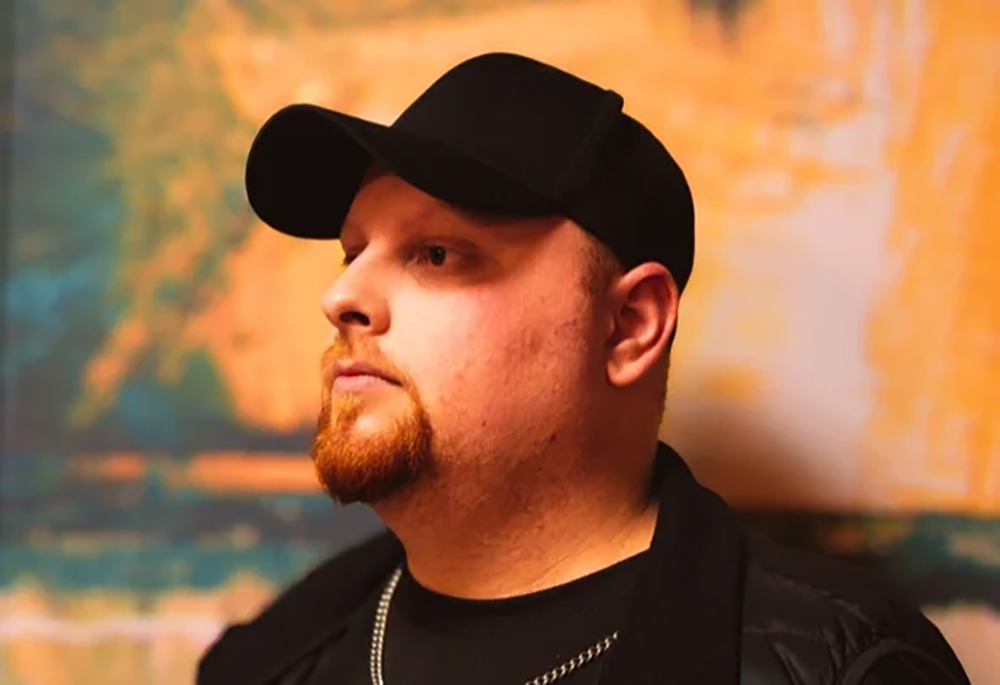
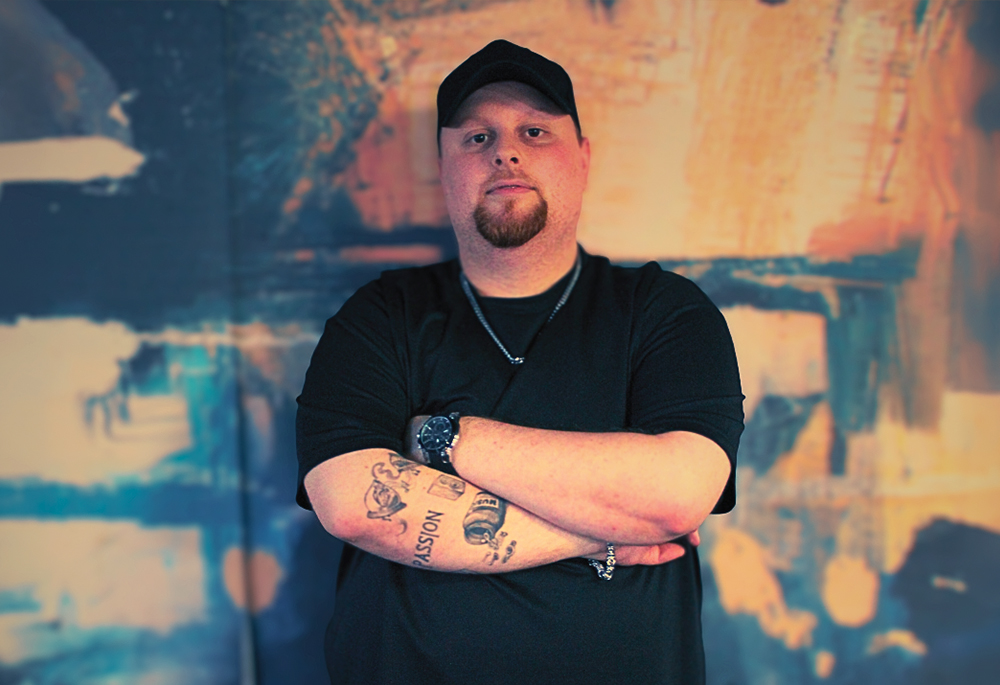
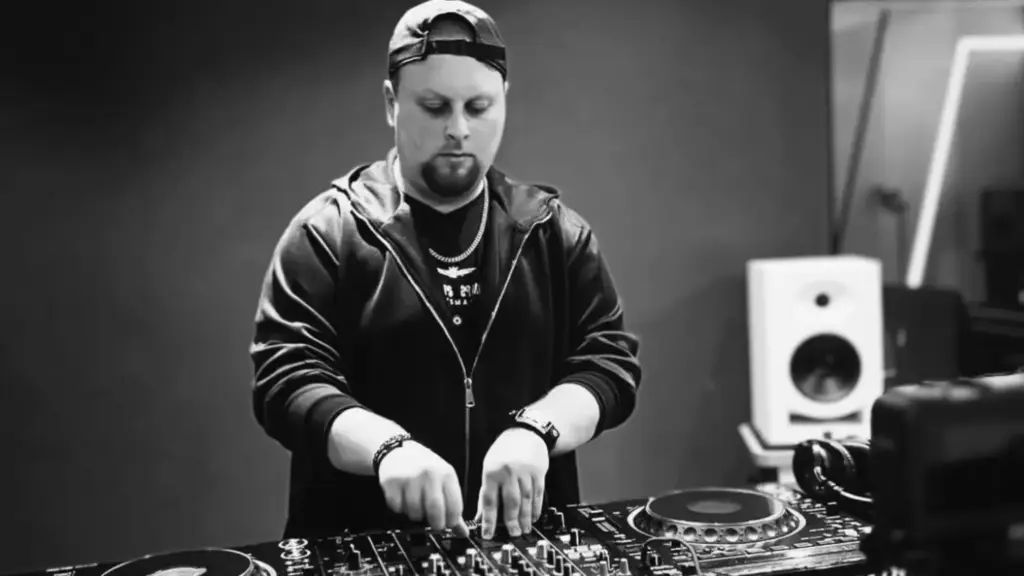
Fleanger is the stage name of the Tel Aviv born, Berlin based music producer and DJ. Fleanger musical story is interesting one. He started with drawing and graffiti. He is classily trained pianist, whos curiosity and desire to experiment with music led him to electronic music production.
When you first started producing music, what initially sparked your interest, and what pushed you to take that first step into music production?
Music was always there for me before it was “production.” I started with drawing, graffiti, and piano, ways to express things I couldn’t really explain in words. At some point, I realized music could hold emotion, movement, and story all at once. The first real push into production came from curiosity and solitude: sitting alone, experimenting with sounds, and discovering that I could build entire worlds from a blank project.
Which artists, genres, or moments influenced your sound early on, and how have those influences evolved into your current Deep House style?
Early on, I was influenced by melodic electronic music, deep house, progressive, and artists who focused more on feeling than function. I was drawn to long journeys, emotional chord progressions, and subtle grooves. Over time, those influences became more refined, less about complexity and more about intention. Today, my Deep House sound is slower, deeper, and more introspective, shaped by space, restraint, and emotional honesty.
Where do you usually find inspiration today, does it come from everyday life, travel, emotions, or from within the studio itself?
Mostly from life itself. Travel, cities, quiet moments, conversations, memories, even uncertainty. Berlin, Tel Aviv, and in-between places have all left their mark on my sound. Sometimes inspiration hits in the studio, but usually it starts outside, the studio is where I translate it into sound.
Can you share a bit about your production setup? What software and tools do you mainly work with, and how important are they in shaping your sound?
I mainly work with Cubase and FL Studio, alongside a small, carefully chosen selection of synths and plugins. I don’t believe gear defines the sound, decisions do. Tools are important, but they’re just instruments. The real shaping comes from how you listen, when you stop, and what you choose not to add.
Looking back so far, are there any releases, milestones, or accomplishments in your career that feel especially meaningful to you?
Releasing music on my own label and seeing people connect emotionally to tracks means a lot. Also, building long-term collaborations, receiving support from artists I admire, and slowly shaping a clear artistic identity, those moments matter more to me than numbers.
As a DJ, are there any performances or moments behind the decks that stand out as particularly special or memorable for you?
The most special moments are when the room goes quiet in its own way, when people stop talking and just feel. Small, intimate floors often leave the deepest impact. It’s not about peak time energy, but about shared presence.
What would you say is the most challenging part of the music production process, and how do you usually work through those moments?
Knowing when a track is finished. Letting go is hard. When I’m stuck, I step away. Time, distance, and silence are often the best tools to regain perspective.
On the flip side, what is the most enjoyable or rewarding part of producing music for you?
That moment when everything suddenly aligns, when a melody feels honest and the groove breathes naturally. It feels like uncovering something that already existed, rather than forcing it into being.
What is your perspective on the growing role of AI in music production, and where do you see its place within electronic and Deep House music?
AI can be a powerful tool for exploration, workflow, and inspiration, but not for replacing emotion or intention. In Deep House especially, the human element is essential. AI should support creativity, not define it.
M-Sol DEEP represents a refined side of the Deep House scene. What does being part of this label mean to you as an artist?
Being part of M-Sol DEEP feels like being understood. It represents depth, quality, and musical maturity, values I strongly connect with. I’m grateful to be part of a label that respects the emotional side of Deep House and gives space for artists to express themselves authentically.