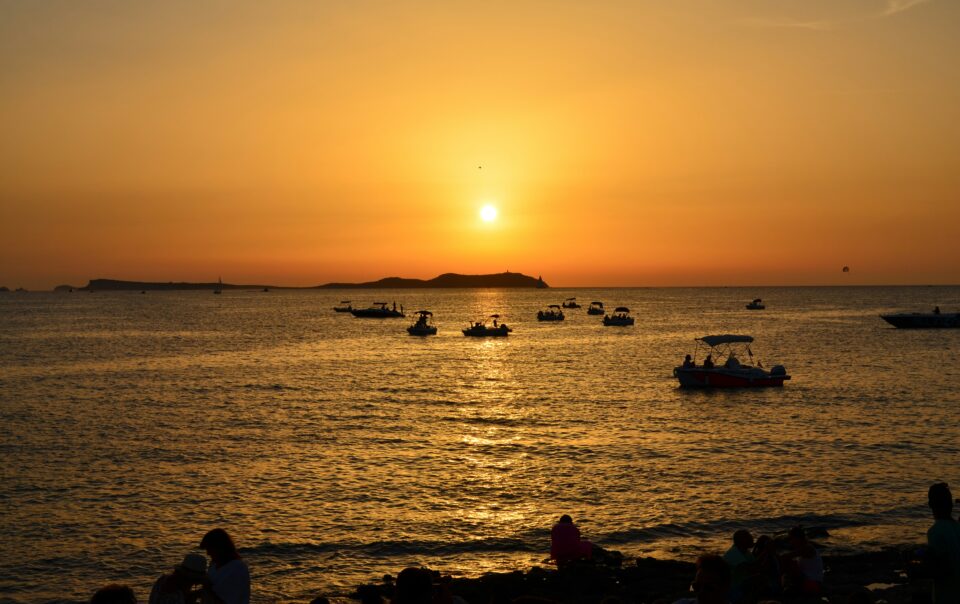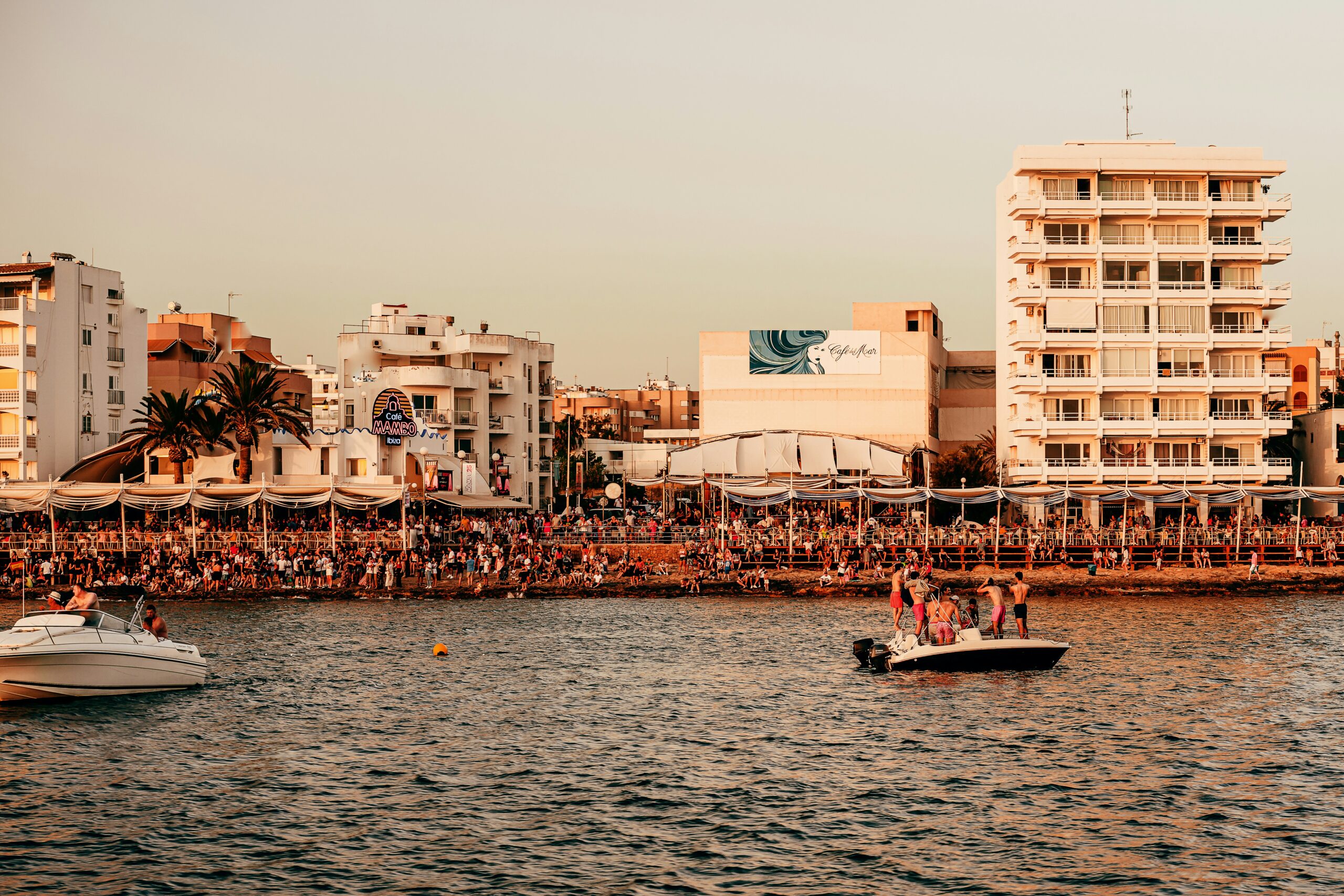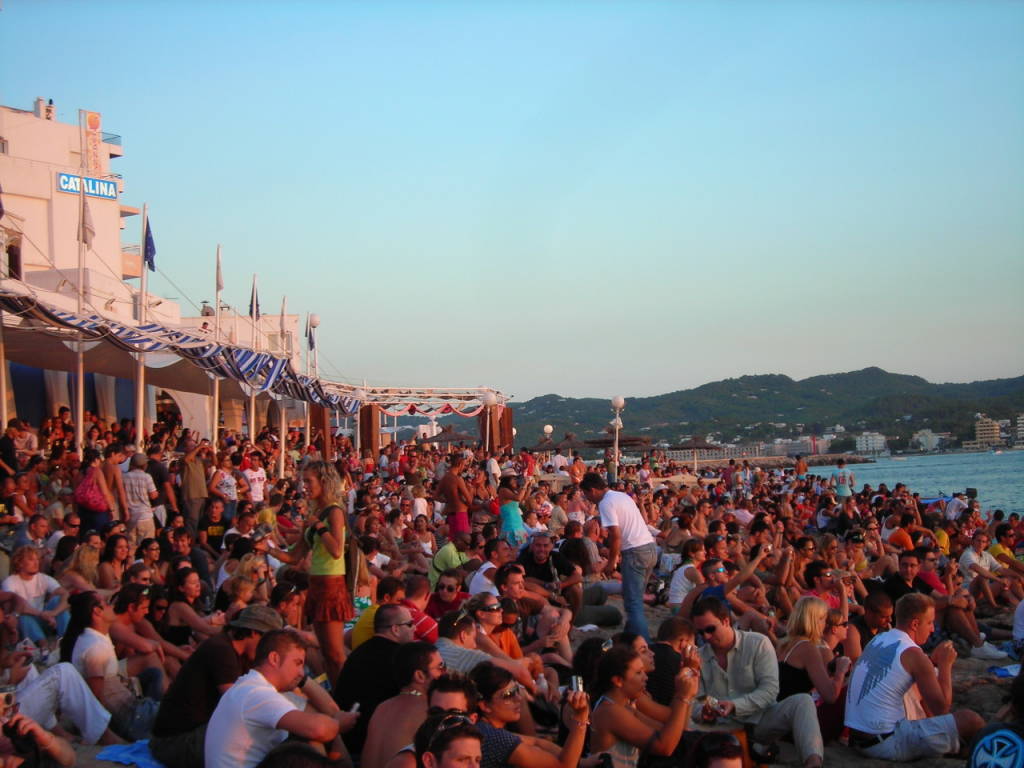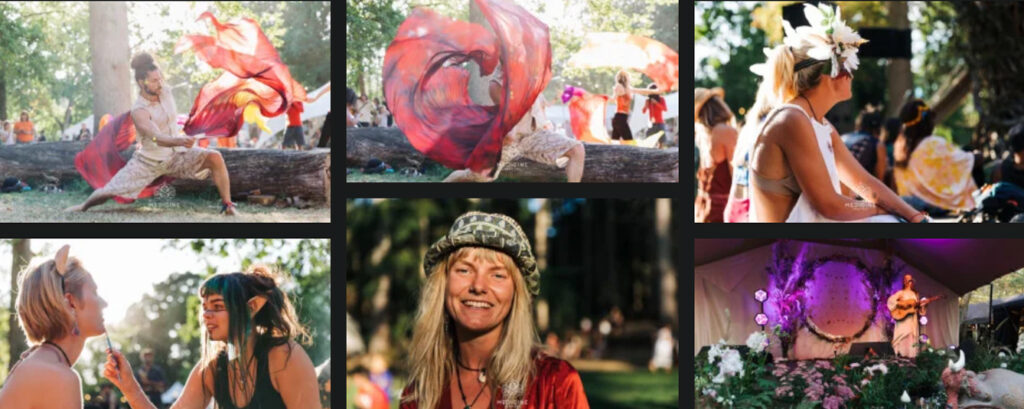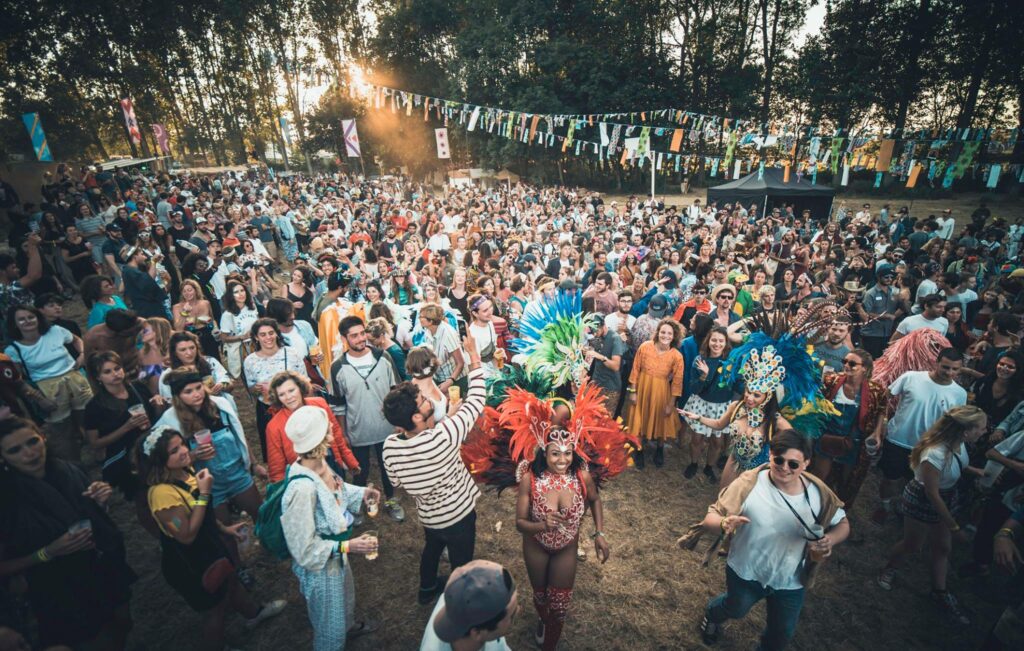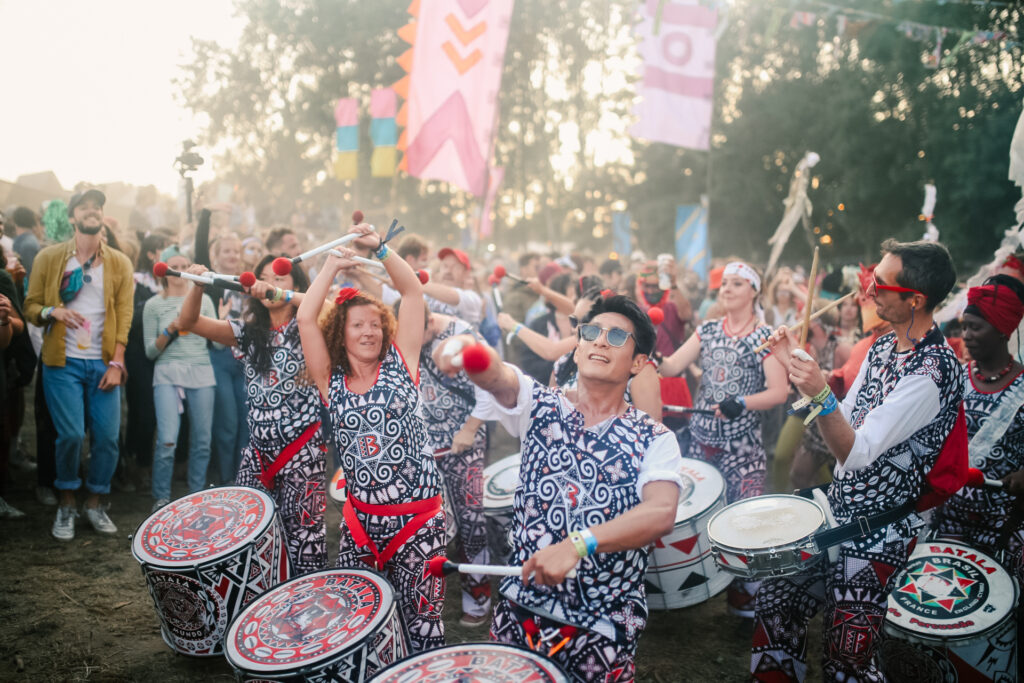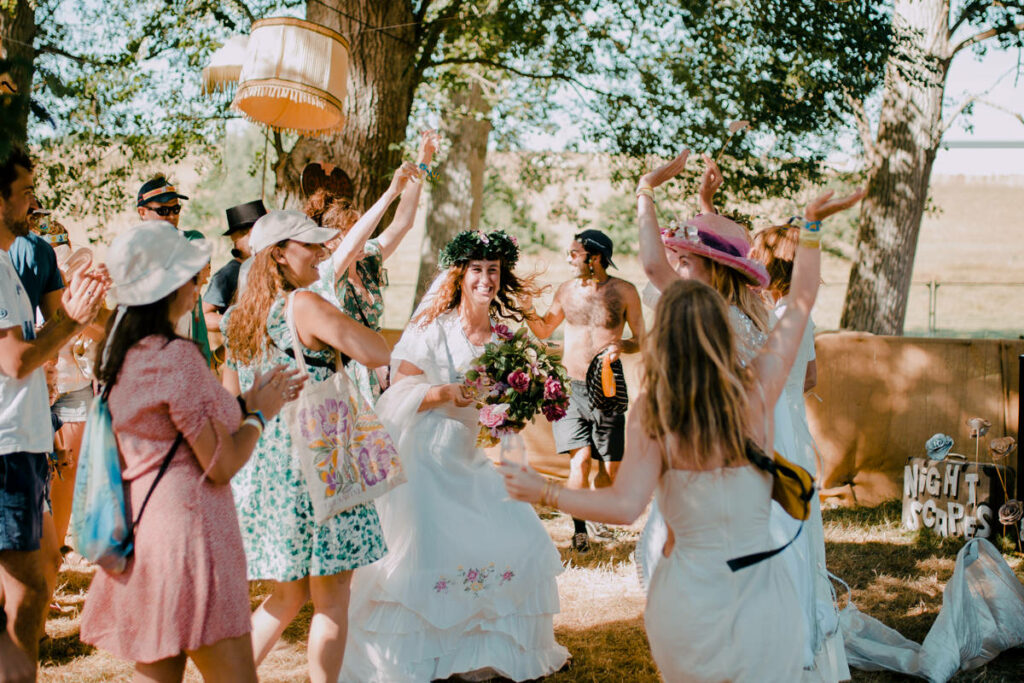


From Brian Eno’s ambient beginnings to Zero 7, Thievery Corporation, and Blank & Jones, these pioneers created the smooth, soulful atmosphere we still love today.
Top 10 Chillout Music Pioneers
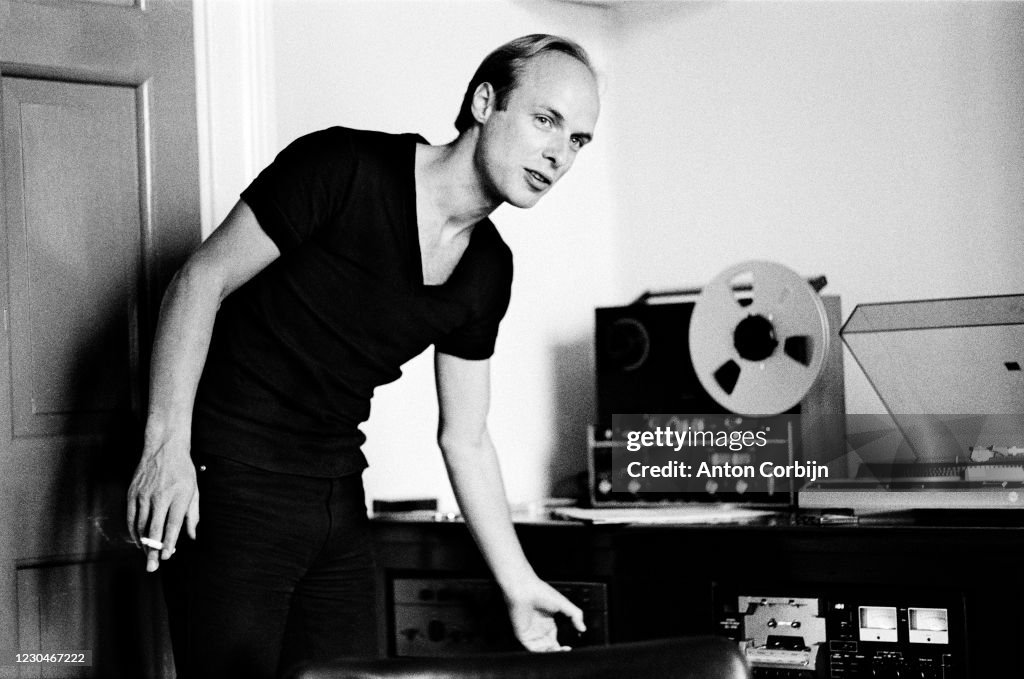
Brian Eno
The godfather of ambient music. His Ambient 1: Music for Airports set the foundation for chillout.

Café del Mar Compilations (Various Artists)
Ibiza’s iconic compilations that defined Balearic chillout in the late 1980s – 1990s.

Moby
His ambient and downtempo albums (Play, Hotel: Ambient) popularized chillout worldwide.

Massive Attack
Trip-hop pioneers whose atmospheric, sow beats influenced chillout and downtempo styles.

Thievery Corporation
Blended lounge, dub, and word music into relaxing, immersive tracks.

Zero 7
Downtempo and chillout with soulful vocals and lush arrangements.

Air
French duo known for dreamy cinematic chillout albums like Moon Safari.

The Orb
Ambient house innovators with hypnotic, spacey soundscapes.

Enigma
Fused electronic, world, and new age sounds to create relaxing, mystical chillout music. Formed in 1990 by Michael Cretu, David Fairstein and Frank Peterson.

The KLF
Early Pioneers in ambient house, blending electronic beats with chillout atmospheres.

Blank & Jones
Formed in 1995 in Germany by Piet Blank and Jaspa Jones. While they began with trance and electronic dance music, around the 2000s they transitioned into chillout and lounge, especially with their relax series starting in 2003.

Groove Armada
This legendary London duo consisted of Andy Cato (Andy Cocup) and Tom Findlay was one of most influential act of late 90s and early 2000s. They influenced Trip-Hop, Chillout, House, and even Synth-Pop and New Wave. Still active today, they continue to bring their iconic sound to global stages, with a full schedule of festival appearances locked in for 2026.

THE CHILLOUT CULTURE STILL LIVES – AND ITS SPIRIT IS EVERYWHERE 🌴